
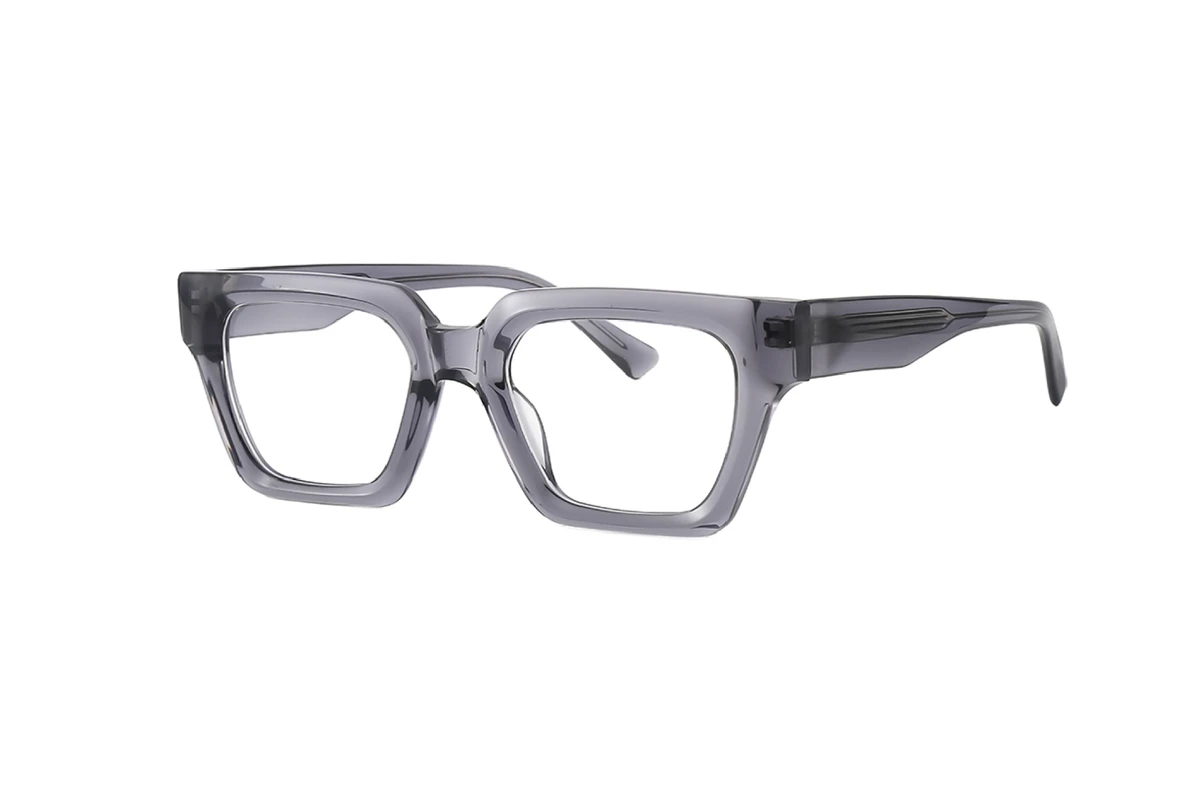
Every pair of glasses begins with two sets of information: the wearer’s prescription and the frame they have chosen. The lens design, material, and fitting measurements have to work together before production starts.
Starting with the prescription
The prescription determines the optical power required for each eye. Frame dimensions and fitting measurements then help position that correction where the wearer needs it. Reviewing these details together reduces avoidable adjustments later in the process.
Matching the lens to daily use
Lens material, refractive index, coatings, and design are selected according to the prescription and how the glasses will be used. A lightweight everyday pair may call for a different balance than glasses intended for long screen sessions, outdoor use, or progressive vision.
Shaping and fitting
Once the lens specification is confirmed, each lens is shaped to the selected frame. Alignment matters: optical centers, fitting height, and frame geometry all influence how the finished glasses feel and perform.
Final inspection
Before a pair is ready, the lenses and frame are checked together. The inspection looks for correct power, alignment, surface condition, coating quality, and a secure fit in the frame. It is the last step in turning individual components into eyewear made for one person.
Good eyewear is not the result of one dramatic step. It comes from a sequence of small, careful decisions—each one checked before the pair moves forward.